Healthcare is one of the most critical pillars of modern society, directly influencing quality of life, economic stability, and human longevity. Over the past few decades, the health and medical sector has undergone profound transformation, driven by scientific discovery, technological innovation, and a growing emphasis on prevention rather than treatment alone. As populations age and chronic diseases become more prevalent, modern healthcare systems are adapting to meet increasingly complex demands.
From Reactive Treatment to Preventive Care
Traditionally, medical systems focused on treating illness after symptoms appeared. While this approach saved countless lives, it often addressed problems too late, resulting in high costs and reduced quality of life. Today, preventive care has become a central priority in healthcare strategies worldwide.
Preventive medicine emphasizes early detection, lifestyle modification, vaccinations, and regular health screenings. Conditions such as heart disease, diabetes, and certain cancers can often be managed or even avoided through early intervention. By shifting focus toward prevention, healthcare systems aim to reduce long-term costs while improving patient outcomes and longevity.
The Role of Technology in Modern Medicine
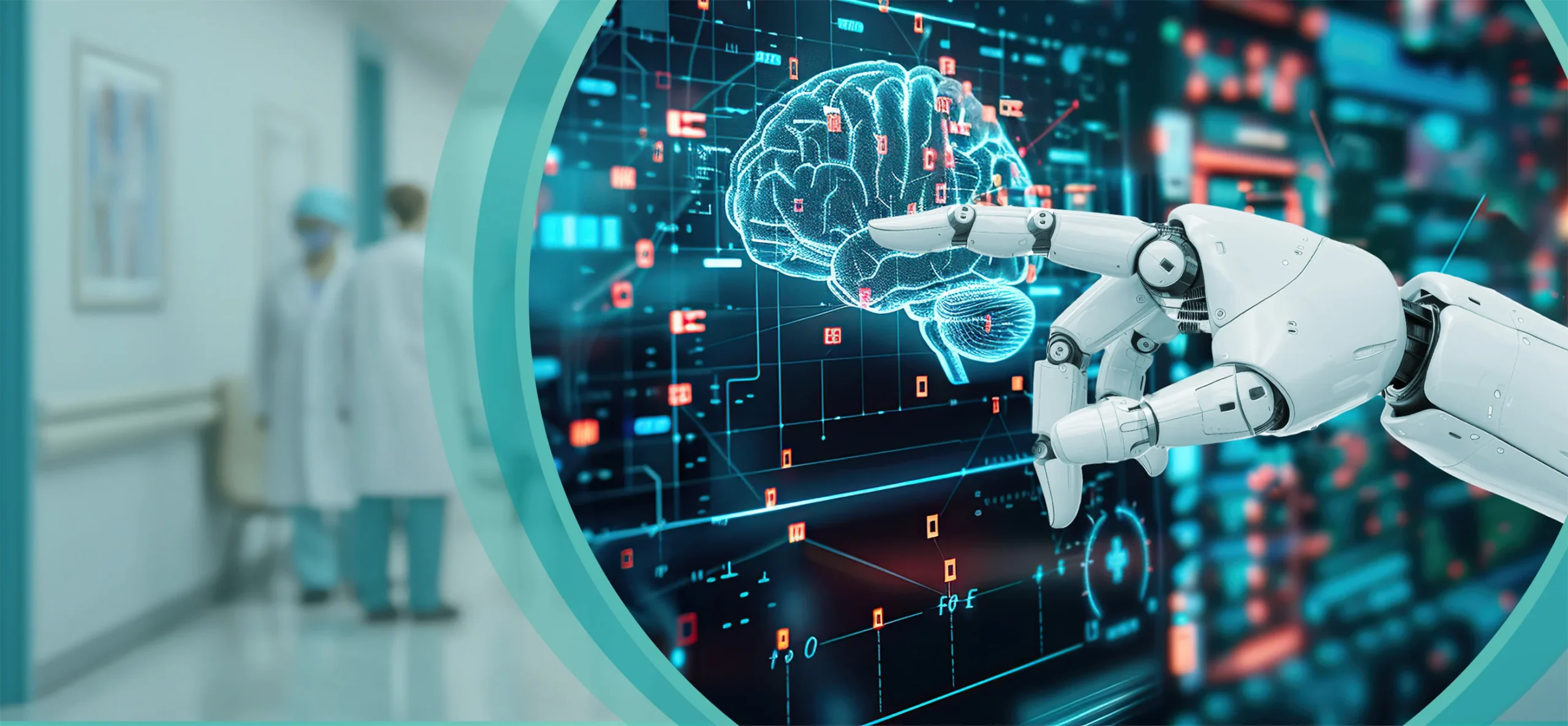
Technology has revolutionized nearly every aspect of healthcare. Diagnostic tools powered by artificial intelligence can analyze medical images with remarkable accuracy, assisting clinicians in detecting diseases earlier and more reliably. Wearable devices monitor heart rate, physical activity, sleep patterns, and even blood oxygen levels, empowering individuals to take a more active role in managing their health.
Electronic health records (EHRs) have improved data accessibility and coordination among healthcare providers. This integration allows for more personalized and efficient care, reducing errors and enhancing clinical decision-making. Telemedicine has further expanded access to healthcare, particularly for patients in remote or underserved areas.
Personalized and Precision Medicine
One of the most promising developments in modern healthcare is the rise of personalized medicine. Advances in genetics and biotechnology enable treatments tailored to an individual’s genetic profile, lifestyle, and environment. Rather than using a one-size-fits-all approach, clinicians can now select therapies that are more effective and have fewer side effects.
Precision medicine is particularly impactful in oncology, where targeted therapies and immunotherapies have significantly improved survival rates for certain cancers. As genomic research continues to advance, personalized medicine is expected to play an increasingly central role in treating complex and chronic diseases.
The Growing Burden of Chronic Disease
Chronic diseases represent one of the greatest challenges facing global healthcare systems. Conditions such as cardiovascular disease, diabetes, respiratory illnesses, and autoimmune disorders require long-term management rather than short-term treatment. These diseases are often influenced by lifestyle factors, including diet, physical activity, stress, and environmental exposure.
Healthcare providers are increasingly adopting integrated care models that combine medical treatment with nutritional counseling, mental health support, and patient education. Empowering patients to manage their conditions through informed lifestyle choices is essential for improving outcomes and reducing healthcare strain.
Mental Health as a Medical Priority
Mental health has gained long-overdue recognition as a critical component of overall well-being. Anxiety, depression, and stress-related disorders affect millions of people worldwide and have significant impacts on physical health, productivity, and social relationships.
Modern healthcare systems are working to reduce stigma and integrate mental health services into primary care. Digital mental health platforms, therapy apps, and telepsychiatry services are expanding access to support. Treating mental health with the same urgency and legitimacy as physical health is a major step toward holistic medical care.
Global Health and Health Equity
Health disparities remain a pressing concern in both developed and developing regions. Access to quality healthcare is often influenced by socioeconomic status, geography, and education. The COVID-19 pandemic highlighted these inequalities, revealing vulnerabilities in healthcare infrastructure and public health preparedness.
Global health initiatives focus on improving access to essential services, vaccines, clean water, and medical education. Strengthening healthcare systems and addressing social determinants of health are essential for achieving equitable outcomes. Health equity is not only a moral imperative but also a foundation for global stability and economic resilience.
The Importance of Medical Research
Medical research is the driving force behind healthcare advancement. Clinical trials, epidemiological studies, and laboratory research contribute to the development of new treatments, vaccines, and medical technologies. Collaboration between academic institutions, healthcare providers, and pharmaceutical companies accelerates innovation and improves patient care.
However, research must be conducted ethically and transparently. Patient safety, informed consent, and data integrity are essential to maintaining public trust. Continued investment in research ensures that healthcare systems can respond effectively to emerging diseases and evolving health challenges.
Digital Health and Patient Empowerment
Digital health tools are transforming the patient experience. Mobile health applications provide medication reminders, symptom tracking, and educational resources. Patients can now access their medical records, communicate with providers, and participate actively in treatment decisions.
This shift toward patient-centered care encourages accountability and engagement. When individuals understand their health conditions and treatment options, they are more likely to adhere to care plans and achieve better outcomes. Digital health innovation supports a collaborative relationship between patients and healthcare professionals.
Ethical Challenges in Modern Medicine
As medical capabilities expand, ethical considerations become increasingly complex. Issues such as genetic editing, end-of-life care, data privacy, and artificial intelligence raise important questions about consent, autonomy, and fairness.
Healthcare professionals and policymakers must navigate these challenges carefully, balancing innovation with ethical responsibility. Establishing clear guidelines and fostering open dialogue helps ensure that medical progress aligns with societal values and human dignity.
The Future of Healthcare
The future of healthcare lies in integration, innovation, and prevention. Advances in biotechnology, digital health, and data analytics will continue to reshape medical practice. At the same time, a greater emphasis on lifestyle medicine, mental health, and community-based care will support more sustainable healthcare systems.
Collaboration between patients, providers, governments, and industry stakeholders will be essential. By focusing on prevention, equity, and ethical innovation, modern healthcare can evolve to meet the needs of diverse populations in an increasingly complex world.

Conclusion
The health and medical sector is undergoing a profound transformation driven by innovation, research, and a growing understanding of holistic well-being. While challenges such as chronic disease, health inequity, and ethical complexity persist, the opportunities for improvement have never been greater.
By embracing preventive care, technological advancement, and patient empowerment, healthcare systems can deliver more effective, compassionate, and sustainable care. The ultimate goal of modern medicine is not only to treat illness but to enhance quality of life, ensuring healthier futures for individuals and societies alike.