Dermal fillers have become one of the most popular non‑surgical cosmetic treatments available today for enhancing facial contours, restoring volume, and reducing signs of aging. These injectable treatments offer quick, noticeable results with minimal downtime, making them a sought‑after option for those looking to refresh their appearance without surgery. Dermal fillers are used in many med spas and aesthetic practices, including treatments offered at Beyond Esthetics Med Spa.
What Are Dermal Fillers?
Dermal fillers are gel‑like substances that are injected beneath the skin to add volume, smooth wrinkles, and enhance facial features. Most fillers are made from materials like hyaluronic acid (HA), a substance that naturally occurs in the body and helps maintain hydration and plumpness. Other types may include calcium hydroxylapatite, poly‑L‑lactic acid, or other biocompatible compounds designed to support collagen production and structural volume.
Injection of dermal fillers can help address a variety of cosmetic concerns by restoring lost volume and improving the appearance of fine lines, wrinkles, and hollow areas. Because they work by adding volume rather than relaxing muscles (as Botox does), dermal fillers can enhance facial contours, plump lips, and create a more youthful overall look.
Common Uses for Dermal Fillers
Dermal fillers are versatile and can be applied to numerous areas of the face and body. Common treatment areas include:
- Lips – enhancing volume and definition
- Cheeks – restoring fullness and lifting the mid‑face
- Under-eye (tear troughs) – reducing hollows and tired appearance
- Nasolabial folds – smoothing lines around the nose and mouth
- Marionette lines – softening lines that run from mouth corners downward
- Temples and cheeks – adding balance and symmetrical structure
- Chin and jawline – improving contour and projection
- Hands – restoring youthful volume loss in aging hands
These applications make dermal fillers a comprehensive tool for facial rejuvenation and contouring.
How Dermal Fillers Work
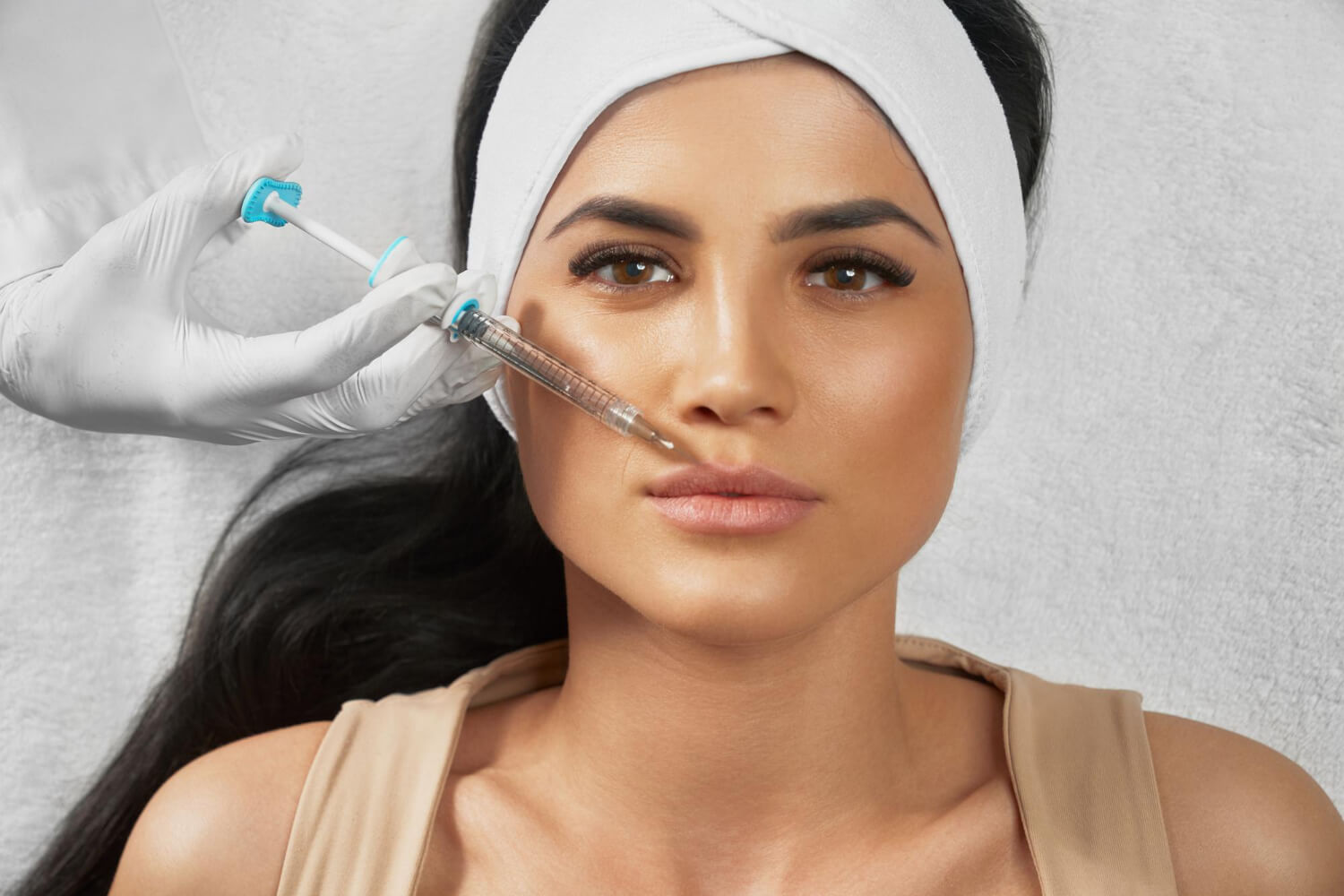
During a dermal filler treatment, a trained provider uses a fine needle or cannula to inject the filler into specific areas beneath the skin. Most fillers contain substances designed to bind water and support natural tissue structure, which helps smooth wrinkles and restore volume to regions that have lost fullness due to aging or genetics. Hyaluronic acid fillers, for example, attract water molecules to the injected area, enhancing hydration and plumpness.
The procedure typically begins with a consultation to determine which areas would benefit most from treatment and which type of filler is appropriate based on individual goals. A topical numbing agent is often applied before injections to improve comfort. Because the injections are targeted and precise, most treatments are completed in a relatively short time during an office visit.
Immediate and Gradual Results
One of the key advantages of dermal fillers is that results are generally visible almost immediately after treatment. The added volume smooths wrinkles and enhances contours right away, although swelling, slight bumps, or redness may be present initially. These mild effects usually settle over a few days to a couple of weeks, revealing the final, refined result.
Different types of fillers last for varying lengths of time. Hyaluronic acid fillers often provide results that can last from six months up to a year or longer, while some other materials may offer extended duration. Because the body gradually metabolizes these substances, follow-up treatments are typically recommended to maintain the desired appearance.
What to Expect During Recovery
The recovery period after dermal filler injections is relatively short. There is usually no significant downtime, which means most people can return to normal activities shortly after treatment. Mild swelling and bruising around injection sites are common but typically resolve within a few days. Using cold compresses and avoiding strenuous exercise for the remainder of the day can help minimize these effects.
Pre-treatment preparation may include avoiding blood-thinning medications or supplements for about a week before the procedure to reduce the likelihood of bruising. It’s also advised to avoid dental procedures and intense heat or cold exposure within a short window around the appointment.
Benefits of Dermal Fillers
Dermal fillers offer numerous benefits for those seeking aesthetic enhancements without surgery:
- Volume Restoration – replacing what is lost with age or weight changes
- Wrinkle Reduction – smoothing lines and folds
- Facial Contouring – enhancing cheekbones, jawline, and other features
- Lip Enhancement – adding fullness and improving shape
- Minimal Downtime – quick recovery and immediate return to daily life
- Natural-Looking Results – when performed by a skilled injector
These advantages make dermal fillers a popular choice for individuals who want noticeable improvements with a relatively gentle approach.
Risks and Considerations
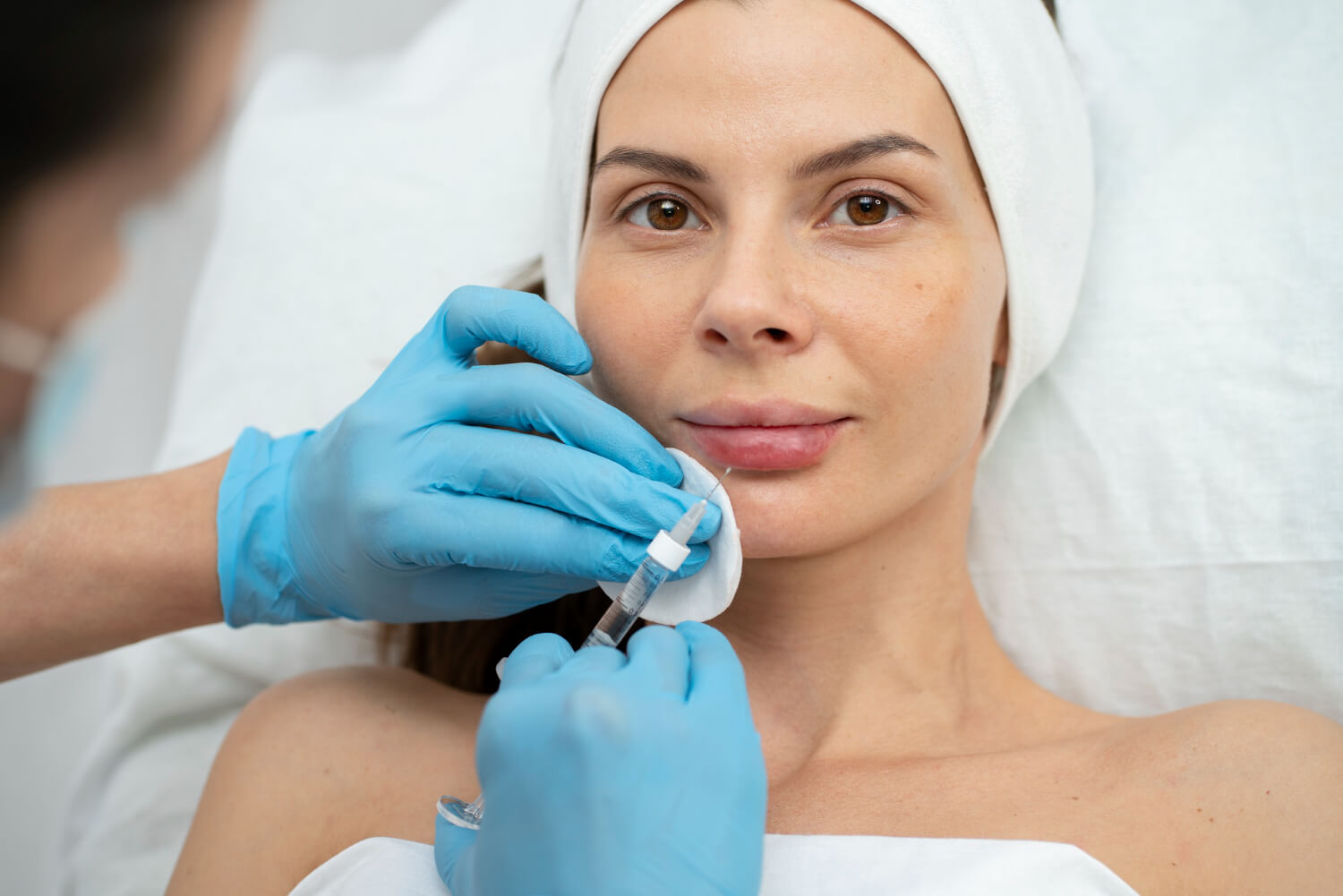
While dermal fillers are generally considered safe when administered by experienced professionals, there are potential side effects and risks that should be understood. Common reactions include temporary redness, swelling, tenderness, and bruising at the injection sites. These effects are usually mild and resolve within a few days.
Rare but more serious complications can occur, such as vascular occlusion, where filler unintentionally enters or compresses a blood vessel, potentially leading to tissue damage or other issues. This is why it’s crucial to receive treatments from qualified, trained providers who understand facial anatomy and safety protocols.
Who Is a Candidate for Dermal Fillers?
Dermal fillers are suitable for adults who want to improve facial volume loss, smooth wrinkles, or enhance specific features without surgery. Ideal candidates are in good overall health, have realistic expectations about outcomes, and understand that results are temporary and may require maintenance treatments. Discussing goals and concerns with a qualified provider helps determine the best treatment plan.
Conclusion
Dermal fillers are a versatile and effective non-surgical option for facial rejuvenation and contouring. By restoring volume, reducing wrinkles, and enhancing natural features, fillers provide immediate improvements with minimal downtime. Understanding how they work, what areas they can treat, and what to expect during recovery helps individuals make informed decisions about whether they are right for them. With proper assessment and skilled application, dermal fillers can be an excellent choice for achieving a refreshed and youthful appearance.